
Mannacote – Complete Guide to This Unique Stuffed Pasta Dish
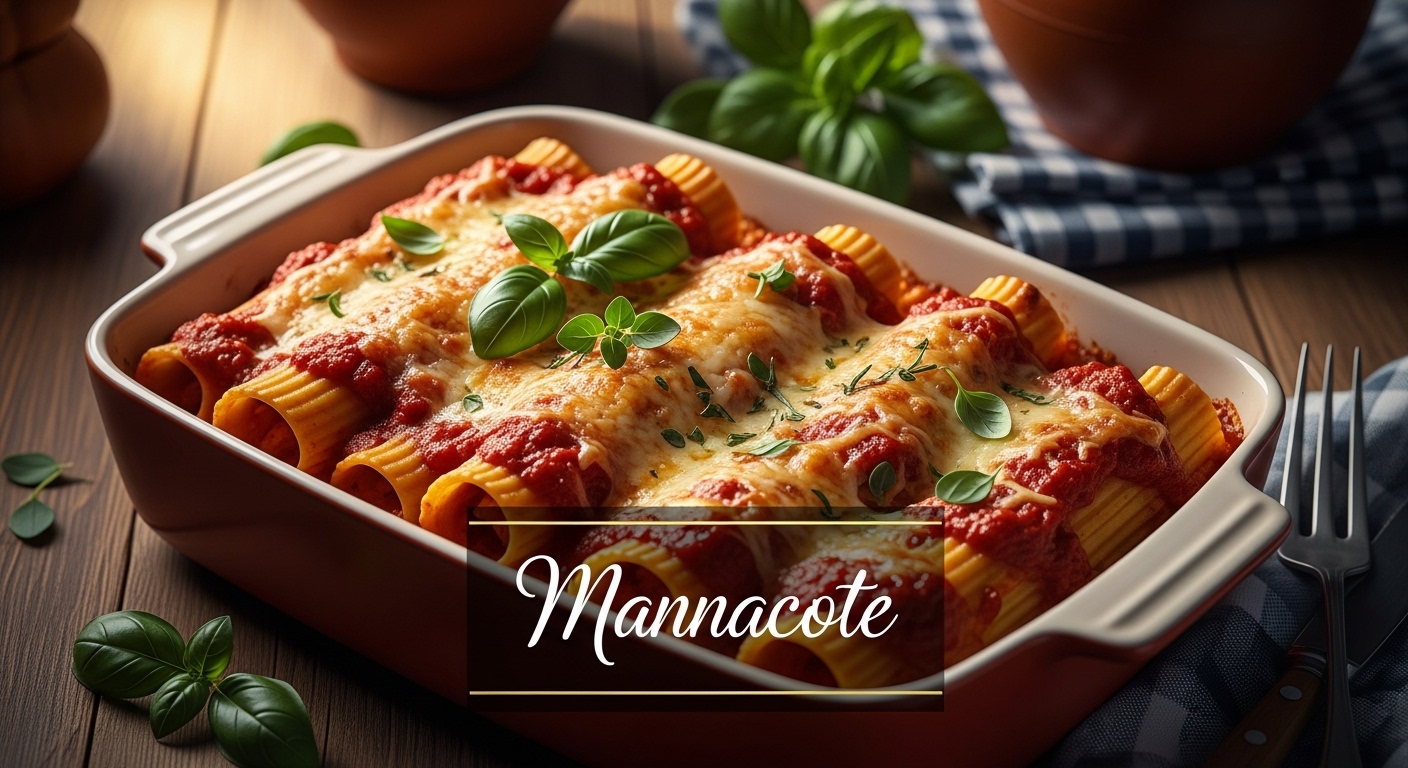
Stuffed pasta dishes have always held a special place in culinary traditions, especially within Italian cuisine where flavor, texture, and heritage blend beautifully. Among the many intriguing names that spark curiosity, Mannacote stands out as a term that raises questions. Is it a traditional Italian dish, a regional variation, or simply a modern reinterpretation of a classic favorite? This guide explores everything you need to know about Mannacote, from its possible origins to how it compares with well-known stuffed pasta dishes.
For food lovers and home cooks alike, understanding Mannacote opens the door to creativity in the kitchen. Whether it represents a variation of a beloved recipe or a newly coined term inspired by classic cuisine, Mannacote reflects the evolving nature of food culture. Let’s dive deep into its identity, preparation, and place in the world of pasta.
What is Mannacote
Mannacote is often described as a stuffed pasta dish that resembles traditional Italian baked pasta recipes. While it may not be widely recognized as an official term in classic Italian culinary texts, it is commonly interpreted as a variation or misspelling of well-known dishes like cannelloni or manicotti. These dishes feature tube-shaped pasta filled with cheese, meat, or vegetables and baked in rich sauces.
The concept behind Mannacote aligns closely with comfort food traditions. It typically involves pasta shells or tubes stuffed with flavorful fillings and layered with sauce before baking. This creates a hearty and satisfying dish that appeals to a wide audience. The appeal lies in its versatility, allowing cooks to experiment with ingredients and flavors.
Despite the ambiguity around its name, Mannacote represents the creativity of modern cooking, where traditional recipes are adapted and renamed to suit different cultures and preferences.
Origins and Culinary Background
The origins of Mannacote are not clearly documented, which adds to its intrigue. It is likely derived from Italian-American cuisine, where traditional recipes have been adapted over time. Many dishes in this category have evolved through family traditions and regional influences, leading to variations in naming and preparation.
Italian immigrants brought their culinary heritage to different parts of the world, particularly the United States, where dishes like stuffed pasta became popular comfort foods. Over time, these recipes were modified based on available ingredients and local tastes, giving rise to new interpretations such as Mannacote.
This evolution highlights how food culture is dynamic rather than fixed. Mannacote may not have a strict historical definition, but it reflects the blending of tradition and innovation in modern cooking.
Key Ingredients Used in Mannacote
The ingredients used in Mannacote are similar to those found in traditional stuffed pasta dishes. The base typically includes pasta tubes or shells that can hold a generous filling. These are often paired with sauces and toppings that enhance the overall flavor.
Common fillings include ricotta cheese, mozzarella, ground meat, spinach, and herbs. These ingredients create a rich and balanced taste profile. The sauce, usually tomato-based, adds acidity and depth, while cheese toppings provide a creamy finish.
The flexibility of ingredients allows for endless variations. Cooks can adapt the recipe to suit dietary preferences, making Mannacote a versatile and inclusive dish.
How Mannacote is Prepared
Preparing Mannacote involves several steps, each contributing to the final dish’s flavor and texture. The process typically begins with cooking the pasta until it is slightly firm. This ensures it holds its shape during baking.
The filling is then prepared by combining chosen ingredients such as cheese, meat, or vegetables. This mixture is carefully stuffed into the pasta tubes. Once filled, the pasta is arranged in a baking dish and covered with sauce and cheese.
The dish is baked until the top is golden and bubbly. This step allows the flavors to meld together, creating a cohesive and satisfying meal.
Differences Between Mannacote and Manicotti
| Feature | Mannacote | Manicotti |
|---|---|---|
| Recognition | Informal term | Traditional dish |
| Origin | Modern variation | Italian cuisine |
| Structure | Similar tubes/shells | Tube-shaped pasta |
| Usage | Flexible | Defined recipe |
Mannacote and manicotti share many similarities, but the key difference lies in recognition and definition. Manicotti is a well-established dish with a clear identity, while Mannacote is more flexible and open to interpretation.
This flexibility allows Mannacote to serve as a creative platform for experimenting with flavors and ingredients.
Popular Variations of Mannacote
Mannacote can be adapted in numerous ways, making it suitable for different tastes and dietary needs. Some variations focus on vegetarian fillings, while others emphasize rich meat-based recipes.
Common variations include spinach and cheese, beef and tomato, and even seafood-based fillings. Each variation offers a unique flavor experience while maintaining the core concept of stuffed pasta.
This adaptability makes Mannacote a favorite among home cooks who enjoy experimenting in the kitchen.
Nutritional Value of Mannacote
| Nutrient | Approximate Value |
|---|---|
| Calories | 300–500 per serving |
| Protein | 15–25g |
| Carbohydrates | 30–50g |
| Fat | 10–20g |
The nutritional value of Mannacote depends on the ingredients used. Cheese-based versions tend to be higher in fat, while vegetable-based options offer a lighter alternative.
Balancing ingredients can help create a healthier version of the dish without compromising on flavor.
Cooking Tips for Perfect Mannacote
To achieve the best results, consider these tips:
- Use slightly undercooked pasta to prevent over-softening
- Ensure even filling distribution
- Use high-quality cheese and fresh herbs
- Avoid excessive sauce to maintain structure
These tips help create a well-balanced dish with the perfect texture and flavor.
Common Mistakes to Avoid
One common mistake is overcooking the pasta before baking. This can lead to a mushy texture. Another issue is using too much filling, which can cause the pasta to break.
Proper layering of sauce and cheese is also essential. Too much sauce can make the dish watery, while too little can result in dryness.
Avoiding these mistakes ensures a successful cooking experience.
Mannacote in Modern Cuisine
Mannacote reflects the evolving nature of modern cuisine. It represents how traditional recipes can be adapted to suit contemporary tastes and lifestyles.
Chefs and home cooks alike use it as a canvas for creativity. From gourmet versions to simple home-style dishes, Mannacote continues to gain popularity.
Its flexibility makes it relevant in today’s diverse culinary landscape.
Comparison with Other Stuffed Pasta
| Dish | Shape | Filling | Cooking Method |
|---|---|---|---|
| Mannacote | Tubes/Shells | Varied | Baked |
| Ravioli | Small pockets | Cheese/Meat | Boiled |
| Cannelloni | Tubes | Meat/Cheese | Baked |
This comparison highlights how Mannacote fits within the broader category of stuffed pasta dishes.
Cultural Significance of Stuffed Pasta
Stuffed pasta dishes hold cultural significance in many regions. They often represent family traditions and communal meals.
Mannacote, as a variation, carries this tradition forward while allowing for innovation. It bridges the gap between heritage and modern cooking.
This cultural aspect adds depth to its appeal.
Best Occasions to Serve Mannacote
Mannacote is ideal for gatherings and special occasions. Its rich and comforting nature makes it suitable for family dinners and celebrations.
It can also be prepared in advance, making it convenient for hosting guests. This practicality adds to its popularity.
Serving Mannacote brings people together through shared enjoyment of food.
Pairing Mannacote with Sides and Drinks
Pairing Mannacote with the right sides enhances the dining experience. Fresh salads, garlic bread, and roasted vegetables complement its richness.
Beverage choices can include refreshing drinks that balance the dish’s flavors. Light and crisp options work particularly well.
These pairings create a complete and satisfying meal.
Future Trends and Popularity
The popularity of Mannacote is likely to grow as more people explore creative cooking. Its adaptability makes it suitable for evolving food trends.
From plant-based diets to gourmet interpretations, Mannacote can easily adapt to changing preferences. This ensures its relevance in the future.
Its blend of tradition and innovation makes it a dish worth exploring.
Conclusion
Mannacote is a fascinating example of how culinary traditions evolve over time. While it may not have a strict definition, it captures the essence of stuffed pasta dishes—comforting, versatile, and full of flavor. Whether you see it as a variation of a classic or a new creation, Mannacote offers endless possibilities for creativity in the kitchen.
FAQs
What is Mannacote exactly?
It is a stuffed pasta dish often considered a variation of manicotti or similar baked pasta recipes.
Is Mannacote an authentic Italian dish?
It is more likely a modern or Italian-American variation rather than a traditional dish.
What fillings are used in Mannacote?
Common fillings include cheese, meat, spinach, and herbs.
Can Mannacote be made vegetarian?
Yes, it can be easily adapted with vegetable-based fillings.
How is Mannacote different from cannelloni?
The difference mainly lies in naming and flexibility, as both share similar preparation styles.


